Lyrics
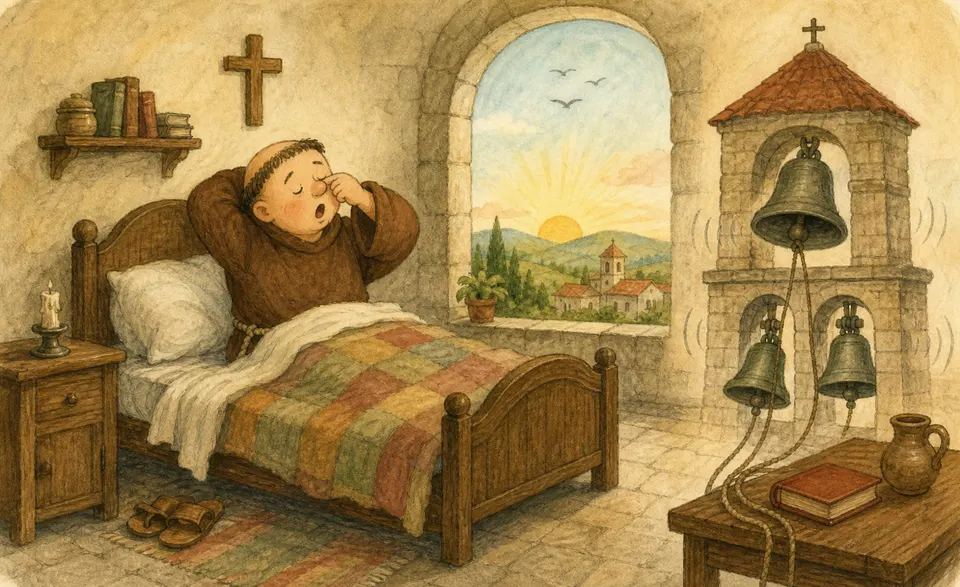
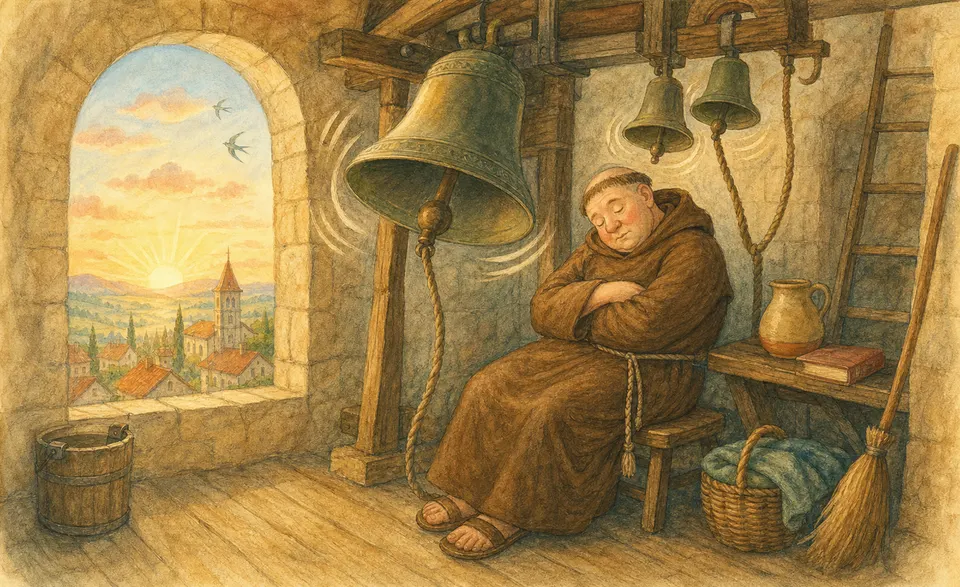
Are you sleeping, are you sleeping, Brother John, Brother John? Morning bells are ringing, Morning bells are ringing, Ding-dang-dong, ding-dang-dong.
#Are You Sleeping, Brother John? at a glance
- Country of origin
- 🇫🇷 France
- Sung in
- English
- Version of
- Frère Jacques
- Words by
- Traditional
- First known
- melody by the late 18th century (French origin)
- Best for ages
- 2–7
- Mood
- playful, traditional
- Last updated
- 27 August 2026
How to sing it
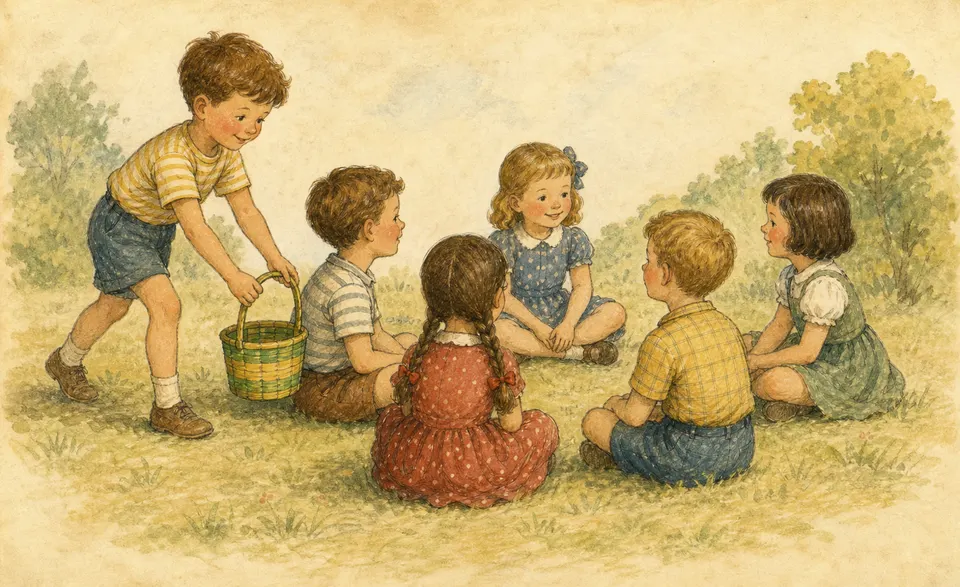
- Sing it as a round — a second group starts from the beginning as the first reaches "Brother John".
- Add a third and fourth group, each one line behind, to build up the layered harmony.
- Ring an imaginary bell on "ding-dang-dong" to keep everyone in time.
Meaning and origin
This is most children’s first experience of singing in a round, and it has been teaching that trick for a very long time. The words gently pester a sleeping friar — Brother John — to wake up: the morning bells are ringing, and ringing them (or at least being awake for the dawn prayers) is his job. The ding-dang-dong at the end is the very bell he is supposed to be sounding, sung by the children who are, in effect, his alarm clock.
In English it is “Brother John”, but the song is French: it is the version of Frère Jacques known across the English-speaking world. The tune is genuinely old, appearing in a French manuscript of around 1775–1785 and reaching print in 1811, and its true origins are lost — scholars have proposed everything from a mockery of lazy friars to a link with a 17th-century surgeon named Frère Jacques, but none of it is settled.
What has kept it universal is its clever construction. The melody is so short, and its phrases fit so neatly one over another, that a group can split in two, three or four, each starting a line apart, and the whole thing locks into harmony. For a child, discovering that you can sing “against” your friends and still sound right is a small revelation — and this sleepy friar has been providing it, generation after generation, for over two hundred years.
Common questions
- What is "Are You Sleeping, Brother John?" about?
- Waking up for work. It gently nags a sleeping friar — "Brother John" — to get up, because the morning bells are ringing and it is his job to ring them (or to be awake for the very early prayers). "Ding-dang-dong" is the sound of the bell he is meant to be sounding.
- Where does "Are You Sleeping, Brother John?" come from?
- It is the English version of the French song "Frère Jacques". The tune is old — an early form appears in a French manuscript of about 1775–1785, and it was first published in 1811. Its origins are debated, but none of the theories is proven.
- Why is "Are You Sleeping, Brother John?" usually sung as a round?
- Because it is built for it. The melody is short and each phrase fits neatly over the next, so several groups can sing it starting one line apart and it still sounds right — which is exactly what makes it such a good first round for children to learn.