LyricsHistorical Yorkshire and London verses (Gomme, 1898)
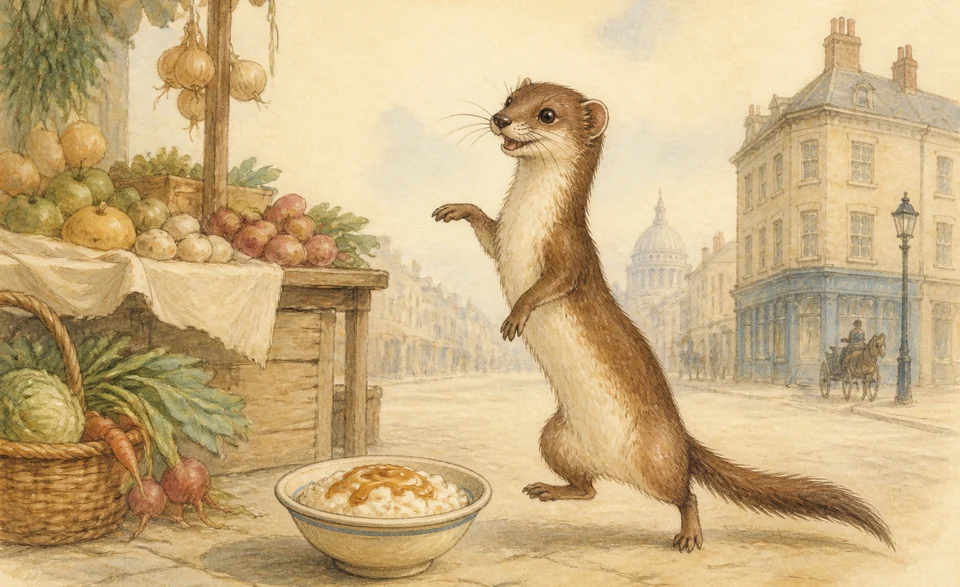
Half a pound of tup’ny rice, Half a pound of treacle; Mix it up and make it nice, Pop goes the weasel. Up and down the City Road; In and out the Eagle; That’s the way the money goes, Pop goes the weasel.
#LyricsSupplied modern classroom version
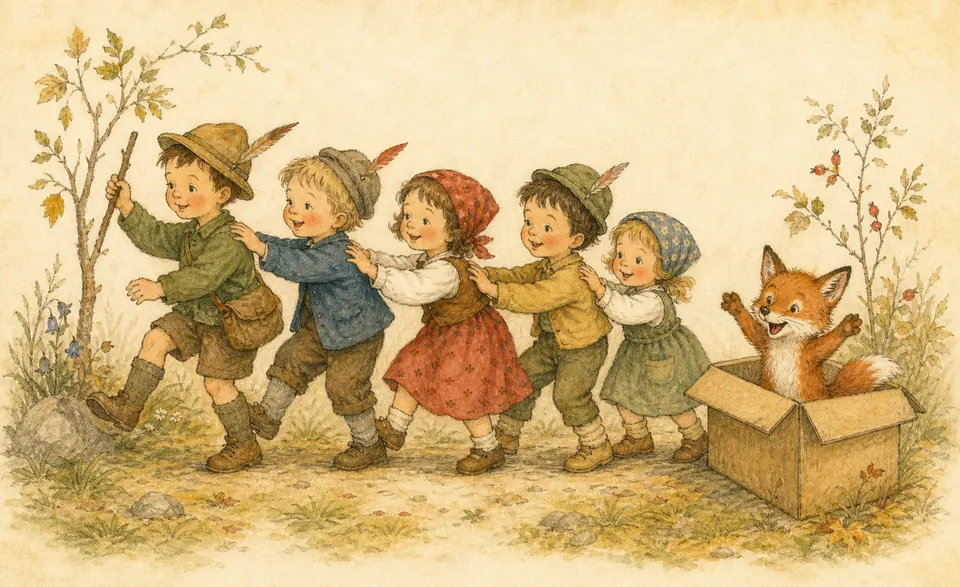
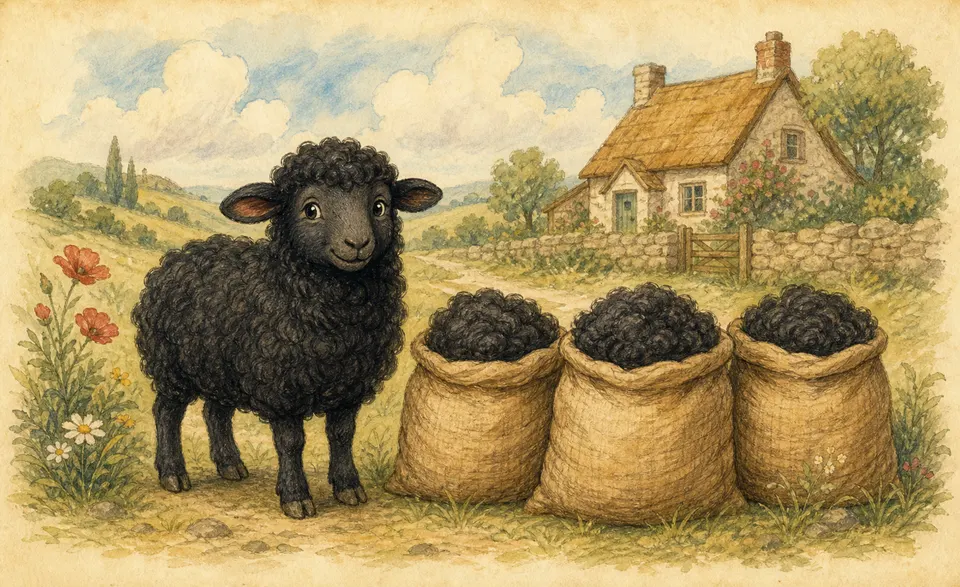
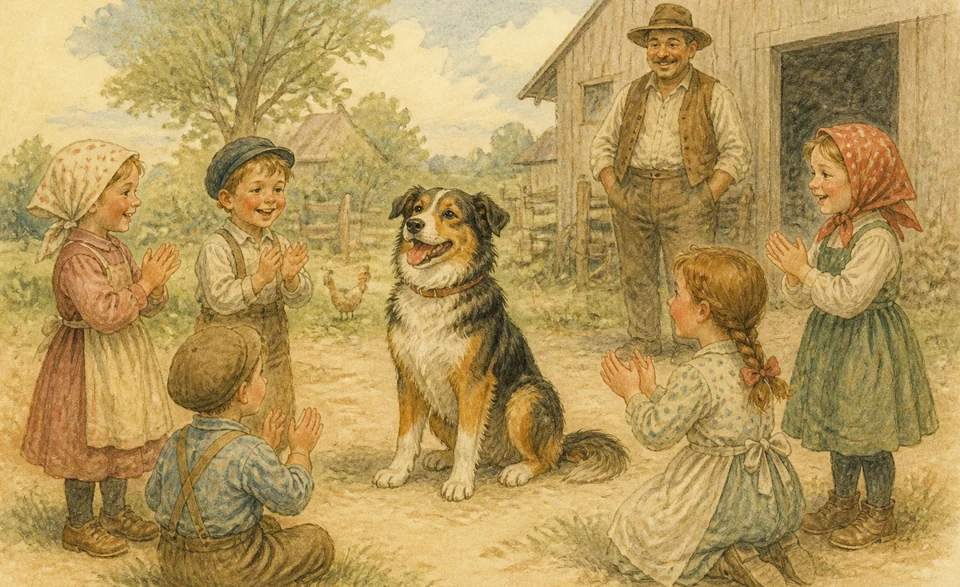
Half a pound of tuppenny rice, Half a pound of treacle; That’s the way the money goes, Pop! goes the weasel. A penny for a spool of thread, A penny for a needle; That’s the way the money goes, Pop! goes the weasel. Round and round the chestnut tree, The badger chased the weasel; They ran and ran and had great fun, Pop! goes the weasel. Up and down the City Road, In and out of the steeple; Round the town and back again, Pop! goes the weasel. Half a pound of tuppenny rice, Half a pound of treacle; That’s the way the money goes, Pop! goes the weasel.
#Pop Goes the Weasel at a glance
- Country of origin
- 🇬🇧 United Kingdom
- Sung in
- English
- Words by
- Traditional
- First known
- 1853 (dance tune); 1898 (lyrics used here)
- Best for ages
- 2–8
- Mood
- dancing, playful, traditional
- Last updated
- 23 August 2026
How to sing it
- Walk or skip in a circle through the first three lines of each verse.
- On “Pop!”, jump, clap once, or raise both hands; agree on the action before starting so everyone lands together.
Meaning and origin
“Pop Goes the Weasel” was a dance before its words settled into any familiar shape. The Library of Congress documents the tune’s rapid popularity in 1853, when sheet-music publishers issued arrangements and dance instructions on both sides of the Atlantic.
The first panel comes from Alice Gomme’s 1898 survey of traditional games. She attributes the rice-and-treacle stanza to Earls Heaton in Yorkshire and identifies the City Road and Eagle stanza as an additional London verse. The longer sequence supplied for this entry remains in a second panel instead of being silently blended with Gomme’s documented wording.
The meaning of the refrain remains uncertain. Interpretations involving pawning clothes are widely repeated, but the changing regional lyrics do not support one universal story. What remains stable is the musical surprise: three regular lines followed by the sudden word “pop”.
Common questions
- What does “Pop Goes the Weasel” mean?
- No single explanation has been proved. The lyrics changed from place to place, and later slang interpretations should not be treated as the song’s certain origin.
- Which verses are traditional?
- Many are. Alice Gomme attributes the rice-and-treacle stanza to Earls Heaton in Yorkshire and lists the City Road and Eagle stanza as an additional London verse.
- Why are there two lyric versions?
- The first panel preserves one Yorkshire stanza and one London stanza collected in 1898. The second keeps the longer classroom sequence supplied for this entry separate because “Pop Goes the Weasel” has accumulated many incompatible regional and modern verses.