LyricsHistorical print version (The Land of Play, 1911)
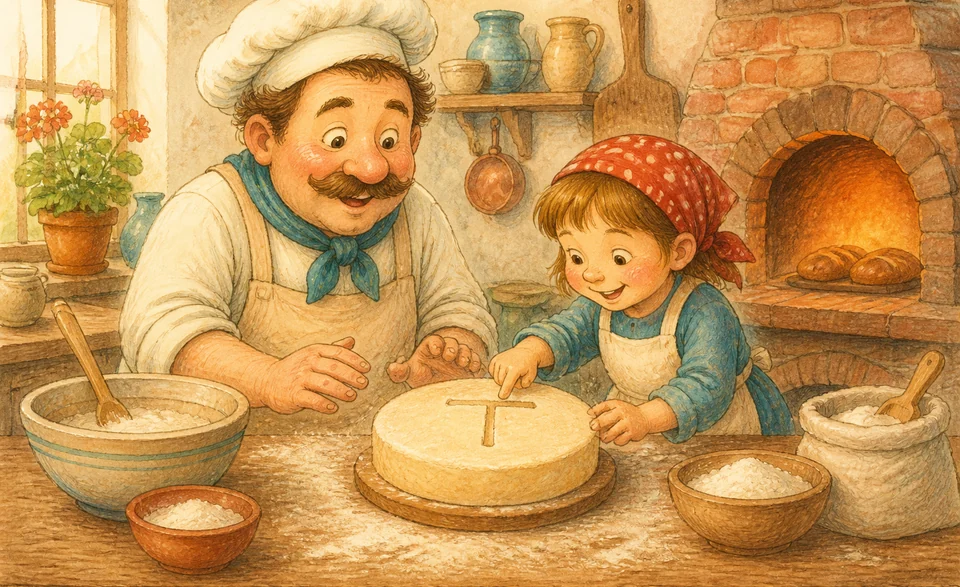
Pat-a-cake, pat-a-cake, baker’s man! So I will, master, as fast as I can: Pat it, and prick it, and mark it with T, Put it in the oven for Tommy and me.
#LyricsSupplied modern classroom version
Pat-a-cake, pat-a-cake, baker’s man, Bake me a cake as fast as you can; Pat it and prick it, and mark it with T, And put it in the oven for Tommy and me.
#Pat-a-Cake at a glance
- Country of origin
- 🇬🇧 United Kingdom
- Sung in
- English
- Words by
- Traditional
- First known
- 1698 (early printed fragment); 1911 (version used here)
- Best for ages
- 1–6
- Mood
- playful, traditional, educational
- Last updated
- 23 August 2026
How to sing it
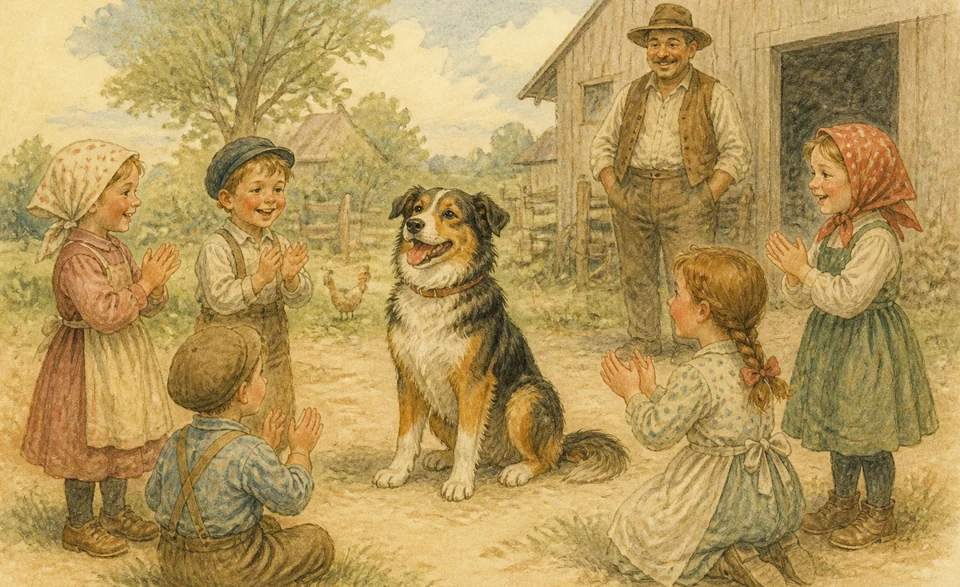
- Face a partner and alternate clapping your own hands with gently clapping both of your partner’s hands.
- Mime patting, pricking, marking, and putting the cake in the oven as each action is named.
Meaning and origin
“Pat-a-Cake” combines a rhyme with a two-person hand game. A recognizable fragment appears in the 1698 comedy The Campaigners, where a nurse’s baby-talk runs “pat a cake, pat a cake, Bakers man, so I will master as I can, and prick it, and prick it… and throw’t into the Oven”. The cake is pricked, not yet marked with a letter, and nobody is called Tommy. That proves the formula is old, but not that its modern lines were already fixed.
This page follows the complete version in The Land of Play (1911). Its letter T belongs to Tommy; families have long replaced both the initial and the name. The swap is part of the game, not evidence of a different song.
The words provide their own actions. Singers pat imaginary dough, prick it, trace the letter, and push the cake toward an imaginary oven. With two players, those gestures can alternate with a steady clapping pattern.
Common questions
- How old is “Pat-a-Cake”?
- An early fragment appears in the 1698 play The Campaigners, where a nurse babbles “pat a cake, pat a cake, Bakers man, so I will master as I can, and prick it, and prick it… and throw't into the Oven” — no letter and no Tommy yet. The complete wording on this page follows The Land of Play, published in 1911.
- Why is the cake marked with T?
- In this printed version, T stands for Tommy. Other oral and printed versions substitute a child’s own initial, which makes the rhyme easy to personalize.
- Why are there two lyric versions?
- The first panel follows the 1911 historical source. The second preserves the supplied modern classroom wording, whose “bake me a cake” opening is also documented by the National Literacy Trust; initials and names can still vary.