LyricsKekčeva pesem (1963)
Celotno besedilo pesmi »Kekčeva pesem« z angleškim prevodom.
"Kekčeva pesem" — words Kajetan Kovič, music Marjan Vodopivec (film "Srečno, Kekec", 1963)
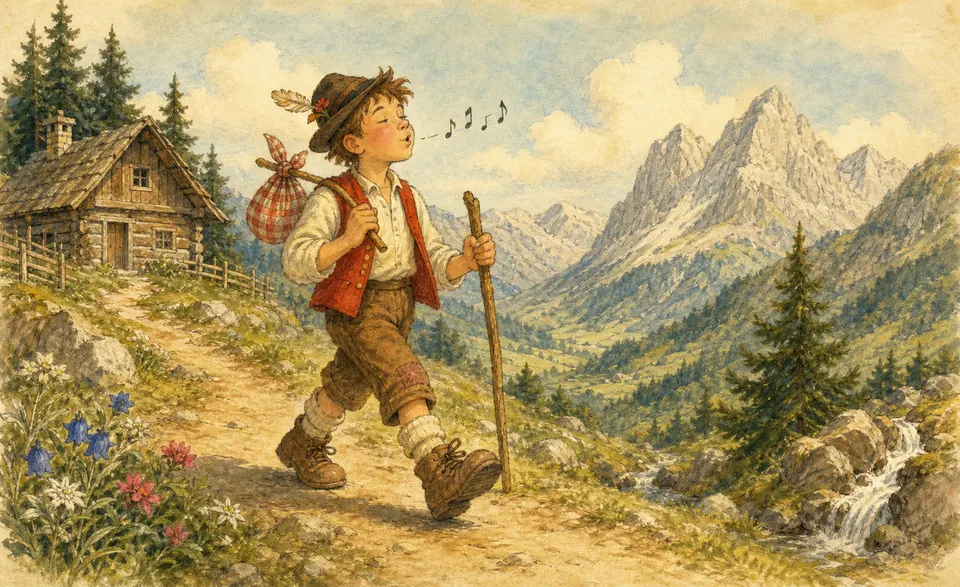
Jaz pa pojdem in zasejem dobro voljo pri ljudeh. V eni roki nosim sonce, v drugi roki zlati smeh.
#Kdor vesele pesmi poje, gre po svetu lahkih nog, če mu kdo nastavi zanko, ga užene v kozji rog.
#Jaz pa pojdem in zasejem dobro voljo pri ljudeh. V eni roki nosim sonce, v drugi roki zlati smeh.
#Bistri potok, hitri veter, bele zvezde vrh gora, gredo z mano tja do konca tega širnega sveta.
#Jaz pa pojdem in zasejem dobro voljo pri ljudeh. V eni roki nosim sonce, v drugi roki zlati smeh.
#LyricsKaj mi poje ptičica (1951)
"Kaj mi poje ptičica" — words Frane Milčinski - Ježek, music Marjan Kozina (film "Kekec", 1951)
Kaj mi poje ptičica, ptičica sinička? Dobra volja je najbolja! To si piši za uho, mile jere, kisle cmere, z nami vštric ne pojdejo.
#Kaj odmeva mi korak, ko po stezi stopam? Dobra volja je najbolja. Bodi dan na dan vesel, smej se, vriskaj, pesmi piskaj, pa lahko boš srečo ujel.
#Kaj mi potok žubori, ko po kamnih skače? Dobra volja je najbolja! Na vsej širni zemlji tej, lica rdeča, smeh in sreča, to zaklad je, hej, juhej.
#English translation
And I will go and sow good cheer among people. In one hand I carry the sun, in the other, golden laughter. Whoever sings merry songs walks the world with light feet, and if someone sets a snare for him, he outwits them. And I will go and sow good cheer among people. In one hand I carry the sun, in the other, golden laughter. Bright brook, swift wind, white stars atop the mountains, go with me all the way to the end of this wide world. And I will go and sow good cheer among people. In one hand I carry the sun, in the other, golden laughter.
#What does the little bird sing to me, the little titmouse? Good cheer is the best! Write that behind your ear: mopey-mopes and sourpusses won't march along with us. What echoes in my step, as I tread the path? Good cheer is the best. Be merry every day, laugh, cheer, whistle songs, and you can catch happiness. What does the brook murmur to me, leaping over the stones? Good cheer is the best! On all this wide earth, red cheeks, laughter and happiness — that's the treasure, hey, hurray.
#Rights
The words of this song are by Kajetan Kovič and are still in copyright. They are reproduced here, credited, for family and classroom singing; no reuse licence has been obtained, and nothing on this page may be copied further. Rightsholders can ask for a correction or removal — see lyrics & credits.
Kekčeva pesem at a glance
- Country of origin
- 🇸🇮 Slovenia
- Sung in
- Slovenian
- Words by
- Kajetan Kovič
- First known
- 1963 (film "Srečno, Kekec"; music Marjan Vodopivec). The 1951 song "Kaj mi poje ptičica": words Frane Milčinski - Ježek, music Marjan Kozina.
- Best for ages
- 2–7
- Mood
- playful, traditional
- Last updated
- 27 August 2026
Meaning and origin
Two songs go by the name “Kekec’s song” in Slovenia, one for each of the films that made the mountain boy Kekec a household name, and they are so often run together that it is worth keeping them apart. “Kekčeva pesem” proper is the title song of Srečno, Kekec (“Good Luck, Kekec”, 1963). Its words are by the poet Kajetan Kovič, its music by Marjan Vodopivec, and it was sung by Martin Lumbar with the RTV Ljubljana orchestra. The singer sets out to sow good cheer among people — the sun in one hand, golden laughter in the other — and promises that whoever sings merry songs walks the world with light feet and gets the better of anyone who sets a trap for him. The bright brook, the swift wind and the white stars on the peaks go with him to the end of the wide world.
The older song belongs to the first film, Kekec (1951). “Kaj mi poje ptičica” (“What does the little bird sing to me”), usually remembered by its refrain dobra volja je najbolja — “good cheer is the best” — was written by Frane Milčinski - Ježek to music by Marjan Kozina and sung by Tomaž Tozon. The little bird sings the motto, the singer’s own footsteps echo it, the brook murmurs it over the stones: be merry every day, laugh, whistle songs, and you will catch happiness; the mopers and sourpusses can go their own way, and red cheeks, laughter and happiness are the only treasure worth having.
The two songs share their cheerfulness and their mountain furniture — bird, brook, wind, stars — and both have stayed in Slovenian childhood ever since, sung in kindergartens and on school trips. What they do not share is an author, a composer or a film, which is why each is printed here under its own title and its own credits.
Common questions
- What is "Kekčeva pesem" about?
- Setting out to spread good cheer. The singer will go and sow good cheer among people, carrying the sun in one hand and golden laughter in the other; whoever sings merry songs walks the world with light feet and outwits anyone who sets a snare for him; and the bright brook, the swift wind and the white stars on the mountain tops go with him to the end of the wide world.
- Which film is "Kekčeva pesem" from, and who wrote it?
- It is the title song of "Srečno, Kekec" ("Good Luck, Kekec"), the 1963 Slovenian film about the mountain boy Kekec. The words are by the poet Kajetan Kovič (1931–2014) and the music by Marjan Vodopivec (1920–1977); it was sung by Martin Lumbar with the RTV Ljubljana orchestra and released on 15 December 1963.
- Isn't "Kekčeva pesem" the one that goes "Kaj mi poje ptičica"?
- That is the other Kekec song. "Kaj mi poje ptičica" ("What does the little bird sing to me"), often called "Dobra volja je najbolja" after its refrain, is the title song of the first Kekec film, "Kekec" (1951): words by Frane Milčinski - Ježek (1914–1988), music by Marjan Kozina (1907–1966), sung by Tomaž Tozon. Both songs are popularly called Kekec's song, so we print both, each under its own title and authors.
- Who is Kekec?
- Kekec is the boy hero of the Slovenian mountain films "Kekec" (1951) and "Srečno, Kekec" (1963), each of which gave Slovenian children a song that has never gone out of use.
Sources
- Wikipedija — Kekčeva pesem (film "Srečno, Kekec", 1963)
- Wikipedija — Kaj mi poje ptičica (dobra volja je najbolja) (film "Kekec", 1951)
- Wikipedija — Marjan Vodopivec
- Wikipedija — Kajetan Kovič
- Wikipedija — Frane Milčinski - Ježek
- Wikipedija — Marjan Kozina
- VVZ Kekec Grosuplje — Kekčeva pesem (K. Kovič), text
- besedila.hribcek.si — Kekčeva pesem (M. Vodopivec – K. Kovič), text with refrains
- Slovenske narodne pesmi — Kaj mi poje ptičica (F. Milčinski – Ježek), text
- sl.wikipedia.org/wiki/Kek%C4%8Deva_pesem
- www.wikidata.org/wiki/Q12793594